


A NALLAMIND AWARENESS GUIDe
Understanding Depression
Learn about Depression, understand what you’re experiencing, and discover how therapy can help.
This page is for awareness and education only. It is not a diagnostic tool. Only a qualified mental health professional can assess and diagnose a condition.
What is Depression?
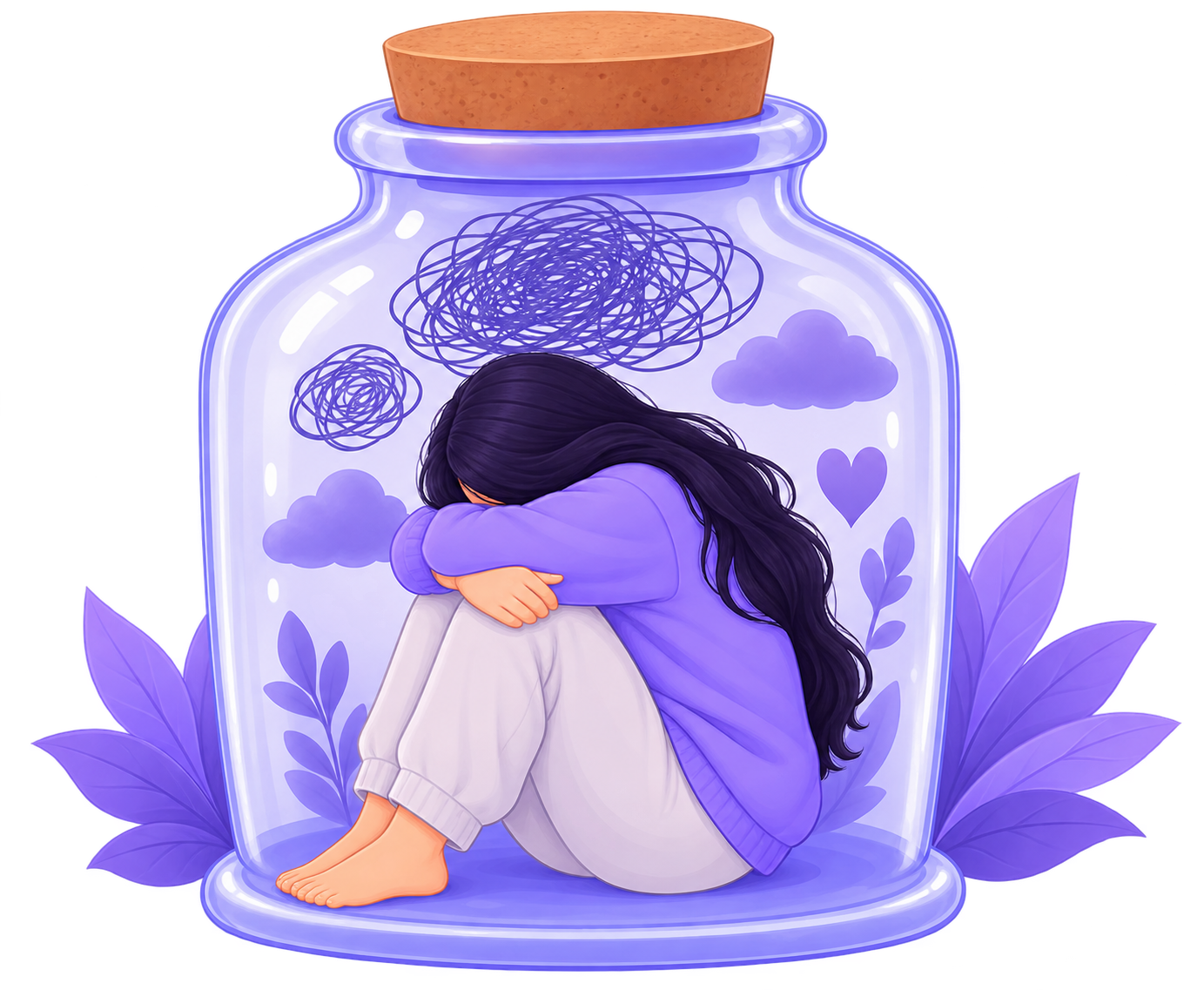
Depression is more than just feeling sad or having a bad day. It’s a persistent low mood or loss of interest in life that lasts for weeks or longer, and can affect how you think, feel, and function day to day.
It’s one of the most common mental health experiences worldwide, and it’s important to know: depression is not a weakness, a character flaw, or something you can simply “snap out of.” It’s treatable, and support genuinely helps.
What Depression Can Feel Like
Depression looks different for everyone. Some common experiences include:
A persistent low, flat, or empty mood most of the day
Losing interest or pleasure in things you used to enjoy
Low energy or feeling tired even after rest
Changes in sleep — sleeping too much or too little
Changes in appetite or weight
Difficulty concentrating or making decisions
Feelings of worthlessness, guilt, or excessive self-criticism
Withdrawing from friends, family, or activities
Thoughts that life isn’t worth living
Everyone experiences some of these occasionally that’s normal. It’s the frequency, intensity, and impact on your life that matter, and that’s something a professional can help you understand.
Common Types
( In Everyday Language )
- Persistent low mood — ongoing sadness or numbness lasting weeks or more, affecting daily functioning
- Situational low mood — depression triggered by a specific event or life change (loss, breakup, job change)
- Postpartum experiences — depression occurring after childbirth
- Seasonal patterns — low mood tied to specific times of year
( Written in plain language rather than clinical labels. full clinical categorization is something your therapist will explore with you. )
Why It Happens
Depression can be shaped by many factors, including:
Life stress, loss, or major transitions
Past experiences or trauma
Family history
Physical health factors (sleep, hormones, chronic illness)
Brain chemistry and biology
Sometimes, no single clear cause at all
There’s no shame in experiencing depression. It’s one of the most common mental health experiences, and it’s very treatable.
How Therapy Can Help
Working with a therapist can help you:
- Understand what’s contributing to how you’re feeling
- Rebuild motivation and a sense of purpose, step by step
- Challenge unhelpful thought patterns that fuel low mood
- Develop practical coping strategies suited to your life
- Feel less alone in what you're experiencing
Need someone to talk to?
Our trusted, licensed therapists are here to support you through life’s challenges.
Test 1
Clinical PsychologistWhat they mastered in
Per session price
Languages
Next available time
Test 2
Clinical PsychologistWhat they mastered in
Per session price
Languages
Next available time
Test 3
Clinical PsychologistWhat they mastered in
Per session price
Languages
Next available time
Reviewed by Dr. a, PhD, Licensed Clinical Psychologist — Last reviewed:
