

Photo 1516589178581 6cd7833ae3b2?auto=format&fit=crop&w=800&q=80
A NALLAMIND AWARENESS GUIDE

Understanding Relationship Issues

This page is for awareness and education only. It is not a diagnostic tool. Only a qualified mental health professional can assess and diagnose a condition. If any of this resonates with you, we’d encourage speaking with one of our therapists.

What are Relationship Issues?

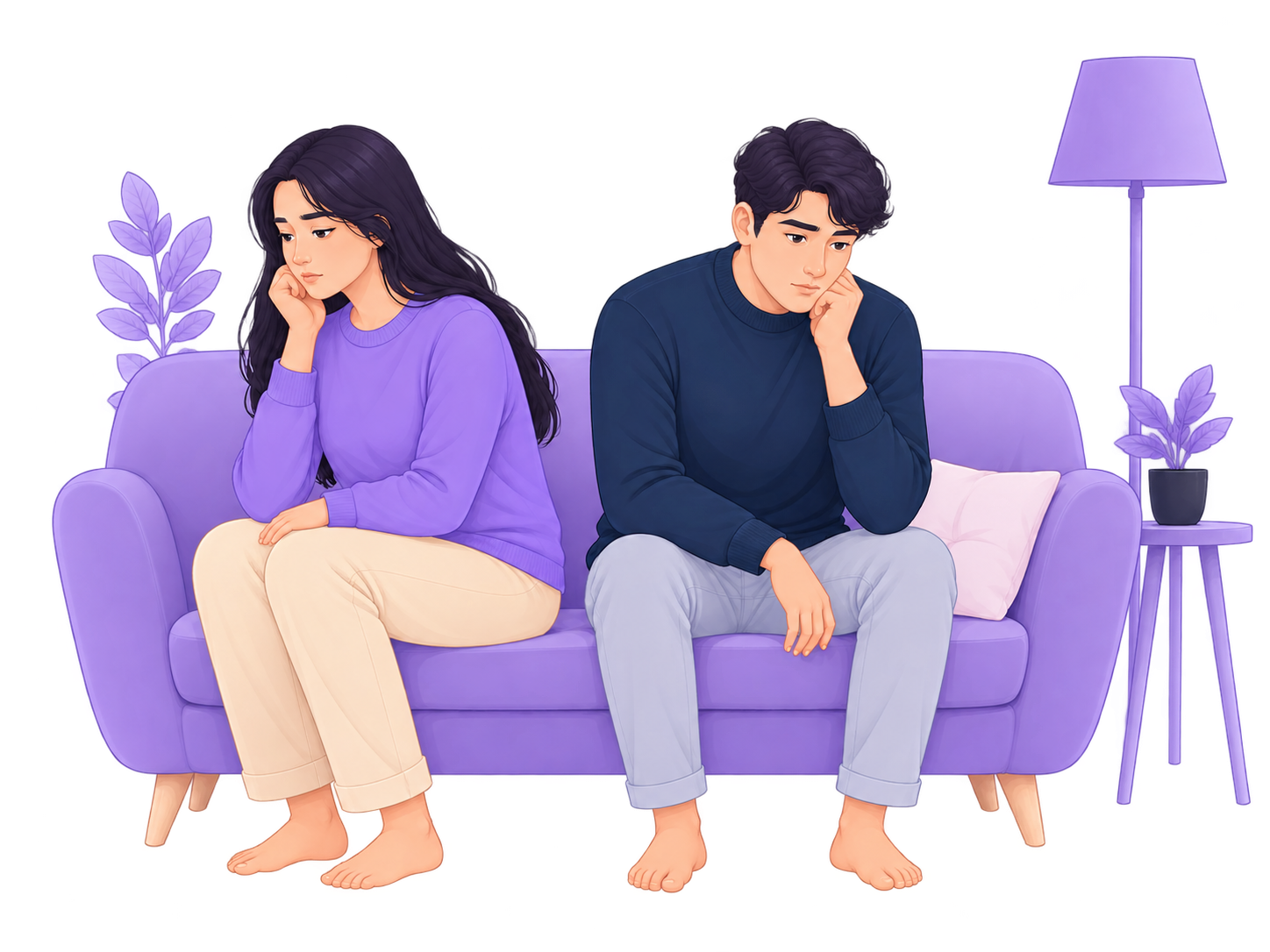
Every relationship goes through difficult patches — disagreements, distance, misunderstandings. Relationship issues become something worth paying closer attention to when these patterns start repeating, feel hard to break out of, or leave one or both people feeling unheard, unseen, or alone even while together.

This can show up between partners, but also between family members, or in the space a couple shares with in-laws and extended family. There’s no single “cause” and no one person who’s “the problem” — relationship difficulty is usually about patterns that have built up over time, not about anyone being at fault.

What it Can Feel Like

Relationship strain can show up in many different ways. Some common experiences include:
Having the same argument over and over, without it ever really getting resolved

Feeling like you’re managing a household or a routine together, but not really connecting

Conversations that turn into conflict quickly, or one person shutting down while the other keeps pushing

Feeling unheard, unappreciated, or like your needs come last

A quiet loss of closeness — less affection, less humour, less ease with each other

Tension involving extended family or in-laws that spills into the relationship

Struggling to trust again after something happened — a lie, a betrayal, a broken promise

Thinking about walking away, not just in moments of anger, but as a recurring thought

Many of these show up even in relationships where both people still care deeply — it’s not always about a lack of love, but a loss of the tools to bridge the distance. That’s something a professional can help you work through.

What It Can Feel Like

Relationship strain can show up in many different ways. Some common experiences include:

Having the same argument over and over, without it ever really getting resolved

Feeling like you’re managing a household or a routine together, but not really connecting

Conversations that turn into conflict quickly, or one person shutting down while the other keeps pushing

Feeling unheard, unappreciated, or like your needs come last

A quiet loss of closeness — less affection, less humour, less ease with each other

Tension involving extended family or in-laws that spills into the relationship

Struggling to trust again after something happened — a lie, a betrayal, a broken promise

Thinking about walking away, not just in moments of anger, but as a recurring thought

Many of these show up even in relationships where both people still care deeply — it’s not always about a lack of love, but a loss of the tools to bridge the distance. That’s something a professional can help you work through.

NallaMind Relationship Guidance

Understanding Your Relationship Dynamic

Every partnership experiences seasons of tension. Recognizing these patterns and causes is the first step toward building a safer, more resilient connection.

Common Types

(In Everyday Language)

(Written in plain language rather than clinical labels — full exploration of your specific situation is something your therapist will do with you.)

Why It Happens

There’s no shame in a relationship going through a hard stretch. It’s one of the most common reasons people seek support, and with the right space, it’s very workable.

How Therapy Can Help

At NallaMind, our therapists create a private, non-judgmental space — whether you come in alone or together with your partner — to work through this at your own pace.

Photo 1544717305 2782549b5136?auto=format&fit=crop&w=600&q=80

Ready to take the first step?

You don’t have to figure it out alone.

Reviewed by Dr. Evelyn Vance, RCI Licensed Clinical Psychologist — Last reviewed: October 24, 2023

Information for awareness only. Not a substitute for professional advice.